From the blog
What Causes Tooth Sensitivity and How to Treat It
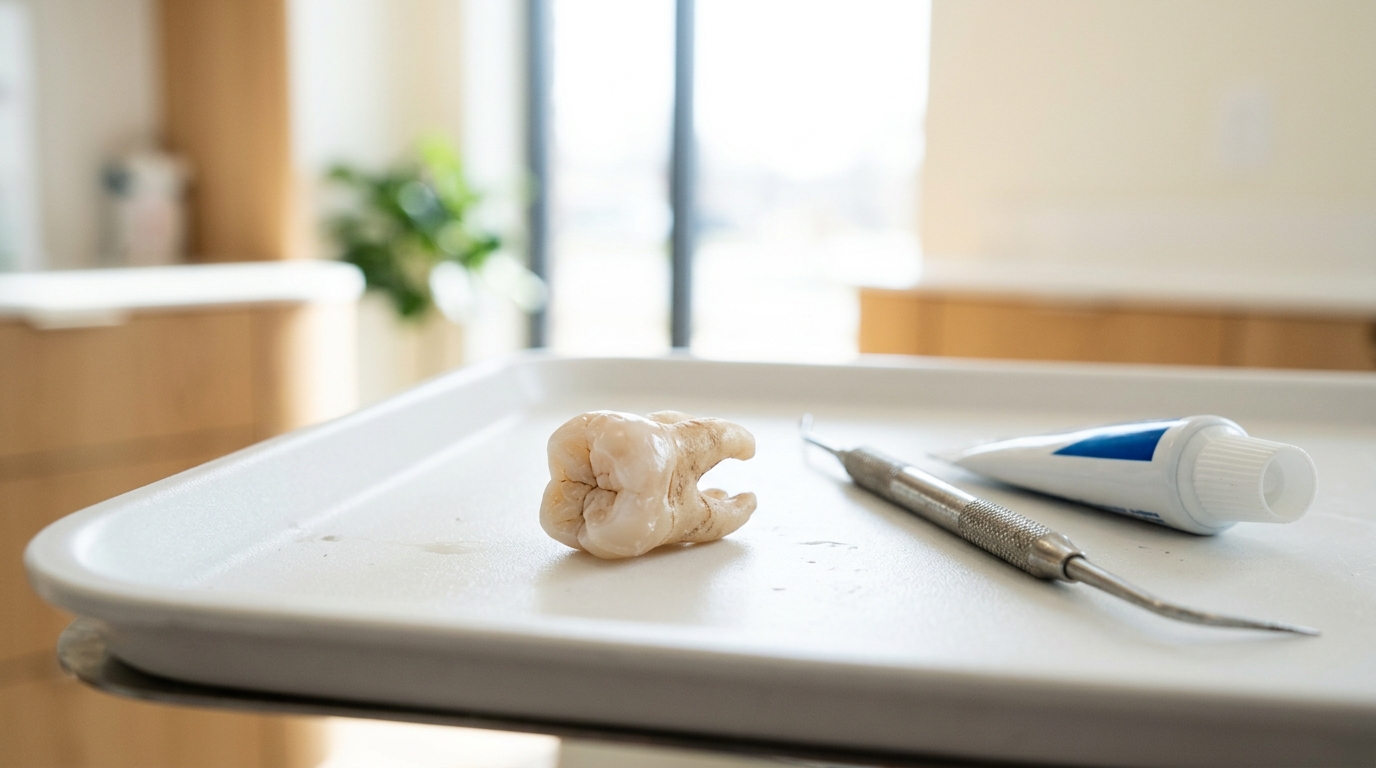
Tooth sensitivity is sharp, temporary pain triggered by hot, cold, sweet, or acidic stimuli - caused by exposed dentin or damaged enamel that allows sensations to reach the tooth's nerve. It affects an estimated 1 in 8 adults and is one of the most common complaints in dental offices worldwide.
If you've ever winced taking a sip of ice water or felt a jolt of pain biting into something sweet, you know exactly how disruptive tooth sensitivity can be. The good news: most causes are identifiable, and most treatments are straightforward. Here's what's actually happening inside your teeth - and how to fix it.
How Tooth Sensitivity Works
Your teeth have layers. The outer layer - enamel- is the hardest substance in the human body. Beneath it sits dentin, a porous tissue filled with microscopic channels called dentinal tubules. These tubules connect directly to the nerve at the center of the tooth (the pulp).
When enamel wears down or gum tissue recedes to expose the root surface, those tubules become vulnerable. Temperature changes, pressure, and chemical stimuli move fluid through the tubules, activating the nerve and producing that characteristic sharp, shooting pain. This is called dentin hypersensitivity, and it's the mechanism behind the vast majority of sensitivity cases.
The 7 Most Common Causes of Tooth Sensitivity
- Enamel erosion from acidic foods and drinks. Citrus fruits, soda, wine, and vinegar-based foods lower your mouth's pH. Repeated acid exposure dissolves enamel at a microscopic level, progressively thinning its protective barrier.
- Aggressive brushing. Brushing too hard or using a stiff-bristled brush physically wears away enamel and strips away gum tissue, exposing root dentin that has no enamel covering at all.
- Gum recession. Whether from gum disease (periodontitis), aggressive brushing, or natural aging, receded gums leave the root exposed. Root dentin is softer and more permeable than crown dentin, making it especially sensitive.
- Teeth grinding (bruxism). Chronic grinding - often during sleep - exerts up to 250 pounds of force on enamel. Over time, it flattens and cracks tooth surfaces, accelerating sensitivity.
- Cracked or chipped teeth. Even hairline cracks allow temperature and pressure changes to reach the nerve directly. A cracked tooth often produces sharp pain that's hard to localize.
- Recent dental procedures. Fillings, crowns, teeth whitening, and professional cleanings commonly cause temporary sensitivity that typically resolves within 2–4 weeks. This is normal inflammation of the pulp responding to treatment.
- Tooth decay and cavities. A cavity is literally a hole in your enamel. Once decay reaches the dentin layer, sensitivity - especially to sweet foods - is almost guaranteed.
Sensitivity vs. Toothache: Key Differences
Feature Tooth Sensitivity Toothache / Pulpitis Pain duration Brief, 10–30 seconds Lingering, minutes to hours Trigger Temperature, sweet, pressure Spontaneous or triggered Pain type Sharp, shooting Throbbing, constant Common cause Exposed dentin Infection, deep decay, abscess Urgency Schedule dental visit soon See a dentist immediatelyIf your pain lingers beyond 30 seconds after a stimulus is removed, or if it's spontaneous with no trigger at all, that's a sign of deeper nerve involvement - see a dentist immediately, not eventually.
Proven Treatments for Tooth Sensitivity
At-Home Treatments
Desensitizing toothpaste is the first-line treatment for most people. Products containing potassium nitrate (like Sensodyne ProNamel) calm the nerve by blocking pain signal transmission. Products with stannous fluoride or hydroxyapatite work differently - they physically occlude (plug) the open dentinal tubules, reducing fluid movement. Results typically appear within 2–4 weeks of consistent use twice daily.
Fluoride rinses used nightly can remineralize early enamel erosion and reinforce dentin. Prescription-strength fluoride (1.1% sodium fluoride) is significantly more effective than over-the-counter options at 0.05%.
Soft-bristled toothbrush + proper technique is non-negotiable. Use a brush with a small head, angle it 45 degrees to the gumline, and apply gentle circular pressure. Many dentists now recommend electric toothbrushes with pressure sensors (Oral-B iO Series or Philips Sonicare DiamondClean) because they automatically reduce force when you push too hard.
Diet modifications matter more than most people realize. Limit acidic beverages to mealtimes, use a straw to reduce contact with teeth, and wait at least 30 minutes after consuming acidic foods before brushing - brushing immediately afterward spreads the acid across more tooth surface.
In-Office Dental Treatments
Fluoride varnish application is applied directly to sensitive areas by your dentist, delivering a concentrated dose that strengthens enamel and seals tubules. One application provides relief for weeks.
Dental bonding uses tooth-colored resin to physically cover exposed root surfaces or worn enamel edges. It's durable, aesthetically seamless, and immediately effective.
Gum grafting is indicated when gum recession is the primary driver. In a connective tissue graft, the periodontist takes tissue (often from the palate) and surgically attaches it to the receded area, re-covering exposed roots. Success rates exceed 90% in appropriately selected patients.
Night guards (occlusal splints) are custom-fitted acrylic guards worn during sleep to absorb grinding forces. They don't reverse existing enamel loss, but they halt further damage immediately.
Root canal therapy is the definitive treatment when sensitivity has progressed to irreversible pulpitis - when the nerve itself is damaged beyond recovery. It removes the nerve entirely, eliminating sensitivity permanently in that tooth.
When to See a Dentist
Don't delay a dental visit if:
- Sensitivity has persisted for more than 3–4 weeks despite using desensitizing toothpaste
- Pain is spontaneous (no trigger required)
- You can see visible cracks, darkening, or holes in the affected tooth
- Sensitivity is accompanied by swelling, fever, or bad taste in the mouth
- Pain wakes you from sleep
Sensitivity is often an early warning signal. Catching enamel erosion or a hairline crack early means the difference between a simple bonding procedure and a crown - or worse, an extraction.
Preventing Tooth Sensitivity Long-Term
Prevention is always faster and cheaper than treatment. These habits protect enamel and gum tissue over the long term:
- Brush twice daily with a soft-bristled brush using gentle pressure
- Use fluoride toothpaste or hydroxyapatite toothpaste every day
- Limit acidic foods and drinks; rinse with water afterward
- Wear a night guard if you clench or grind
- Schedule professional cleanings every 6 months so early recession or decay is caught promptly
- Ask your dentist about fluoride varnish at your regular visits- it's a simple, low-cost preventive application
Is tooth sensitivity permanent?
Not always. Sensitivity caused by whitening treatments or recent dental procedures typically resolves within 2–4 weeks. Sensitivity from exposed dentin can be managed long-term with desensitizing toothpaste and in-office treatments. However, if the underlying cause - such as grinding or acid erosion - continues unchecked, sensitivity worsens progressively. Address the root cause alongside the symptoms.
Can whitening toothpaste make sensitivity worse?
Yes. Most whitening toothpastes use abrasive particles to polish surface stains, which accelerates enamel wear on already-sensitive teeth. If you have sensitivity, switch to a desensitizing or remineralizing toothpaste first, restore enamel health over 4–8 weeks, then reintroduce whitening products cautiously or consult your dentist about professionally supervised whitening with lower peroxide concentrations.
Why are my teeth sensitive after a filling?
Post-filling sensitivity is normal and expected. The drilling process and placement of restorative material temporarily inflame the pulp. This usually resolves within 1–3 weeks. If sensitivity intensifies after the second week, or if you feel sharp pain when your teeth come together (bite sensitivity), contact your dentist - the filling may need adjustment or the cavity may have been deeper than anticipated, requiring further treatment.
Does sensitivity mean I need a root canal?
No - sensitivity alone does not mean you need a root canal. Dentin hypersensitivity is far more common than irreversible pulpitis. A root canal becomes necessary only when the nerve is infected or irreversibly inflamed, which a dentist diagnoses with specific tests (thermal testing, percussion testing, X-rays). Most sensitive teeth respond well to conservative treatment without any involvement of the nerve.
Are children's teeth more sensitive than adults'?
Children's enamel is thinner and less mineralized than mature adult enamel, making their teeth more vulnerable to acid erosion and temperature sensitivity. Newly erupted permanent teeth - which complete mineralization over 2–3 years after eruption - are particularly susceptible. Pediatric dentists often recommend fluoride varnish applications twice yearly and early intervention for habits like thumb sucking or excessive juice consumption that accelerate enamel breakdown.


